Bubble Insulation in Indore: Smart Heat-Reduction Solutions by Unitech Fibre Glass Enterprises
Are you looking for bubble insulation in Indore to help manage heat inside your factory, warehouse, industrial shed or commercial building? High roof temperatures can affect indoor comfort, working conditions and cooling requirements, particularly during the hot summer months.
Bubble insulation is a lightweight insulation material commonly used beneath suitable roofing systems. Depending on its construction and installation, it can help reduce radiant heat transfer and support better indoor thermal comfort.
Unitech Fibre Glass Enterprises, Indore, offers roofing and insulation product solutions for industrial, commercial and construction requirements. If you are planning a new shed or looking to improve an existing roof, understanding bubble insulation and its applications can help you select a suitable product for your project.
This guide explains what bubble insulation is, how it works, where it is used and what to consider when sourcing bubble insulation in Indore and nearby industrial areas.
What Is Bubble Insulation?
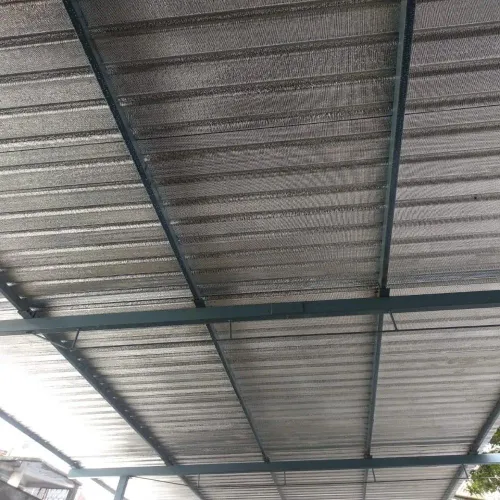
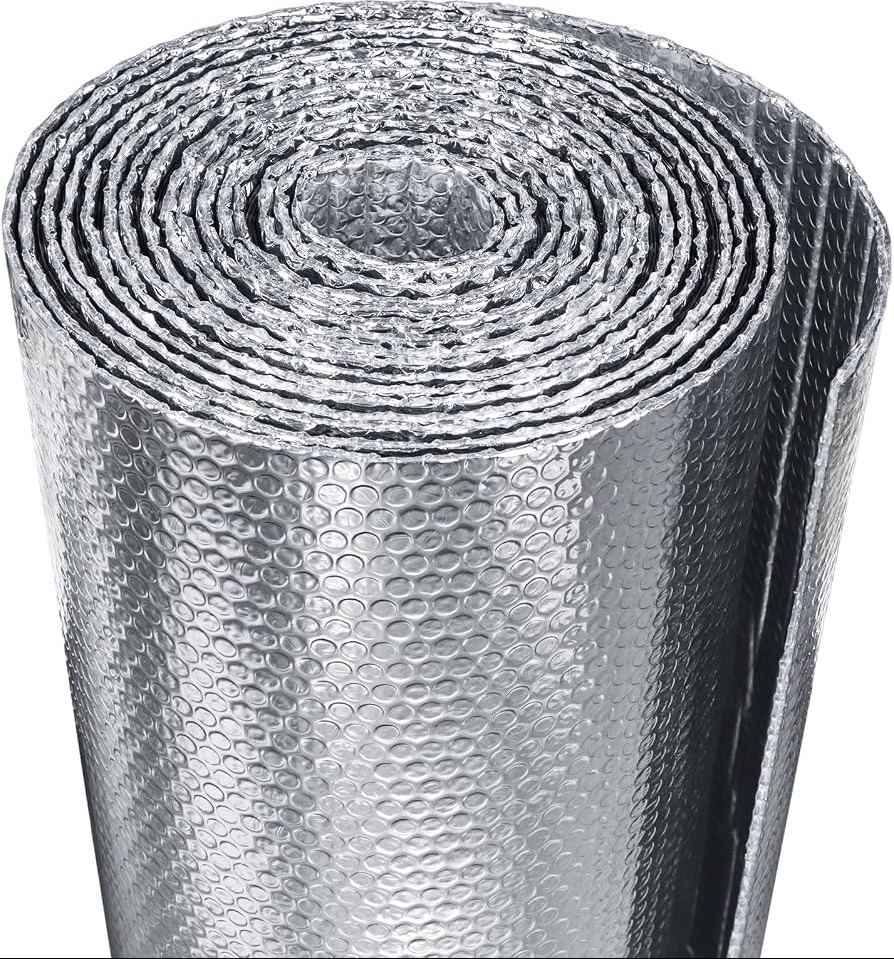
Bubble insulation is a lightweight insulation material made with air-filled bubbles enclosed between reflective layers, often made from aluminium foil or reflective film. The exact construction varies by manufacturer.
It is commonly installed beneath suitable metal roofing or other approved roof systems to help manage radiant heat transfer. Its performance depends on the reflective surface, bubble structure, installation method and whether the required air gap is maintained.
Unlike conventional bulk insulation, reflective bubble insulation primarily works by reducing radiant heat transfer. It should not automatically be treated as a replacement for thick thermal insulation materials in every building application.
For industrial and commercial projects, check the manufacturer's technical data to understand the product's thermal performance and recommended installation method.
How Does Bubble Insulation Work?
In a building with a metal roof exposed to strong sunlight, the roof can become hot and transfer heat into the space below.
Reflective bubble insulation can help manage this heat transfer in two main ways:
- Reflective surface: A suitable reflective surface can reduce the amount of radiant heat transferred across an adjacent air space when installed correctly.
- Air-filled bubble layer: The enclosed bubbles can provide some resistance to heat transfer, depending on the product's design and construction.
The final result depends on the entire roof assembly, including the roofing material, ventilation, air gaps, insulation product and installation quality.
For the best results, follow the manufacturer's instructions and assess the building's complete thermal requirements.
Key Benefits of Bubble Insulation
1. Helps Reduce Radiant Heat Transfer
Bubble insulation with a suitable reflective surface can help reduce radiant heat entering a building through the roof. This can be particularly useful for selected metal-roofed industrial sheds and warehouses.
2. Supports Indoor Thermal Comfort
Reducing heat transfer through the roof may help improve indoor comfort. The actual improvement depends on the building's design, roof exposure, ventilation, insulation system and outdoor temperature.
3. Lightweight and Flexible Material
Many bubble insulation products are lightweight and flexible, making them convenient to handle and install in suitable roof assemblies.
4. Suitable for Selected Industrial Roofing Systems
Bubble insulation can be considered for certain factories, workshops, warehouses and commercial sheds. Product compatibility and installation requirements should be confirmed before use.
5. May Help Manage Cooling Requirements
Where roof heat gain is a significant contributor to indoor temperatures, a correctly designed insulation system may reduce cooling demand. Energy savings are not guaranteed and depend on the building's overall design and operating conditions.
6. Useful for Retrofit Projects
Bubble insulation may be considered when upgrading an existing roof, provided there is a suitable way to install and secure the material. Existing roof condition, condensation risk, ventilation and fire-safety requirements should be assessed first.
Applications of Bubble Insulation
Bubble insulation is used in a range of building types where reflective insulation is appropriate.
Industrial Sheds and Factories
Factories with metal roofing may consider bubble insulation to help manage radiant heat entering production areas, workshops and utility spaces. The correct specification depends on the internal temperature requirements and the operating environment.
Warehouses and Storage Facilities
Warehouses may benefit from a roof-insulation strategy that helps manage heat transfer. Bubble insulation can be one option, depending on the stored goods, temperature requirements and building design.
Commercial Buildings
Selected commercial workshops, service centres and covered business premises may use bubble insulation beneath suitable roofing systems.
Workshops and Manufacturing Units
For workshops where roof heat affects indoor working conditions, reflective insulation can be considered as part of a wider heat-management plan that may include ventilation, shading and other insulation measures.
Agricultural and Utility Structures
Some agricultural buildings, equipment shelters and utility sheds may use bubble insulation where the product is suitable for the roof design and environmental conditions.
Bubble Insulation for Indore's Hot Climate
Indore experiences hot summers and seasonal monsoon rainfall. In buildings with exposed metal roofs, solar heat gain can be an important consideration when planning indoor comfort and thermal performance.
When choosing bubble insulation in Indore, consider the following:
- Reflective performance: Verify the product's reflective properties and technical specifications.
- Air gap: Confirm whether an air space is required and how it should be maintained during installation.
- Roof design: Check compatibility with the existing or proposed roofing material.
- Ventilation: Assess whether the building needs additional roof or indoor ventilation.
- Condensation management: Make sure the complete roof assembly is designed to manage moisture and condensation.
- Fire safety: Verify the product's fire-performance documentation and suitability for the intended building.
- Installation quality: Use the recommended joining, sealing and fixing methods.
A well-planned roof system should consider insulation, ventilation and moisture control together rather than relying on one material alone.
How to Choose the Right Bubble Insulation
Before purchasing bubble insulation for your project, evaluate these important factors.
1. Product construction
Bubble insulation products vary in bubble thickness, layer count, reflective surface and material composition. Select a product suitable for the intended application.
2. Thermal performance
Ask for technical documentation explaining the product's thermal performance and the conditions under which it was tested. Be cautious of claims that quote a single insulation value without explaining the test method or installation conditions.
3. Roof compatibility
Confirm that the product is appropriate for your roofing system, whether it is metal roofing, a factory shed or another approved roof construction.
4. Installation method
Check the recommended orientation, air-gap requirements, overlap, joint treatment and fixing arrangement.
5. Moisture and condensation
The insulation and roof assembly should be suitable for the building's humidity, ventilation and operating conditions.
6. Fire performance
Review the relevant fire-test information and applicable building requirements before installing insulation in industrial or commercial spaces.
7. Total project cost
Compare material cost, installation, accessories, maintenance and expected performance. The cheapest option may not be the most suitable for every project.
For large factories and warehouses, consult a qualified roofing or building professional before finalising the insulation system.
Bubble Insulation vs Other Insulation Materials
Different insulation products work in different ways. Comparing them helps determine the right solution for your building.
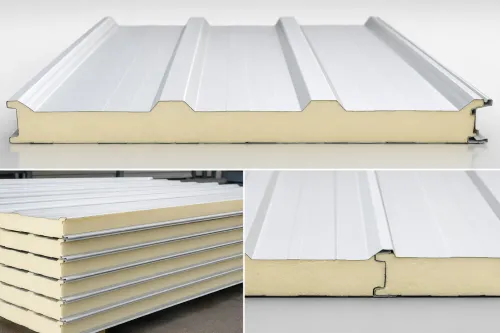
Insulation materialCommon characteristicsBubble insulationLightweight reflective insulation that primarily helps manage radiant heat transfer when installed correctlyGlass woolFibrous bulk insulation commonly used to resist conductive and convective heat transferRock woolMineral-fibre insulation available for applications requiring thermal and, in suitable products, acoustic or fire performancePUF/PIR insulated panelsInsulated building panels designed to provide more substantial thermal resistance, depending on core type and thicknessOther reflective insulationUses reflective surfaces to manage radiant heat transfer under appropriate installation conditions
These materials are not direct substitutes in every situation. The correct choice depends on the required thermal resistance, roof design, moisture conditions, fire-safety requirements and project budget.
Why Contact Unitech Fibre Glass Enterprises, Indore?
Selecting the right insulation product begins with understanding the roof construction, building conditions and intended performance.
Unitech Fibre Glass Enterprises, Indore, can be contacted for enquiries about roofing and insulation products for industrial, commercial and construction requirements.
When requesting product information or a quotation, share:
- Project location
- Building type, such as a factory, warehouse or workshop
- Existing roofing material
- Approximate roof area
- Whether the project is a new installation or a retrofit
- Preferred insulation requirements
- Approximate quantity and delivery needs
Confirm the current product range, technical specifications, pricing, availability and delivery arrangements directly with the business.
Bubble Insulation in Indore and Nearby Industrial Areas
Businesses searching for bubble insulation in Indore may be planning projects in the city and nearby industrial locations, including:
- Indore
- Pithampur
- Rau
- Sanwer Road industrial belt
- Dewas Road industrial area
If your factory, warehouse or commercial project is located in one of these areas, contact Unitech Fibre Glass Enterprises to confirm product availability and delivery coverage.
Factory owners, contractors, builders and facility managers can make their enquiries more precise by sharing roof dimensions, the existing roofing type and the building's insulation requirements.
Frequently Asked Questions About Bubble Insulation
1. Where can I buy bubble insulation in Indore?
You can contact Unitech Fibre Glass Enterprises, Indore, to enquire about insulation and related roofing products. Confirm the available products, specifications, pricing and delivery options directly.
2. What is bubble insulation used for?
Bubble insulation is commonly used beneath suitable roofing systems to help reduce radiant heat transfer. Applications may include selected factory sheds, warehouses, workshops and commercial buildings.
3. Does bubble insulation reduce heat inside a factory?
It can help reduce radiant heat transfer when the product is appropriate and installed correctly. The actual effect depends on the roof construction, air gaps, ventilation, weather and operating conditions.
4. Is bubble insulation suitable for metal roofs?
Certain bubble insulation products are designed for installation beneath suitable metal roofing systems. Confirm the roof compatibility, fixing method, air-gap requirements and moisture-management details before installation.
5. Is bubble insulation the same as PUF insulation?
No. Bubble insulation typically uses reflective layers and air-filled bubbles to manage radiant heat transfer. PUF insulation uses polyurethane foam to provide thermal resistance. The products have different properties and are suited to different requirements.
6. Can bubble insulation help reduce air-conditioning costs?
It may help reduce cooling demand when roof heat gain is a significant contributor to the building's cooling load. Savings depend on the insulation system, climate, building design, ventilation and usage.
7. Does bubble insulation require an air gap?
Some reflective insulation systems rely on an adjacent air space to achieve their stated radiant-heat performance. Follow the specific manufacturer's installation instructions rather than assuming every product has the same requirement.
8. How do I select bubble insulation for a warehouse?
Consider the roof material, roof area, internal temperature requirements, moisture conditions, fire-safety requirements and product test data. For large warehouses, seek professional advice on the complete roof assembly.
9. Does Unitech Fibre Glass Enterprises serve nearby industrial locations?
For projects in Pithampur, Rau, Sanwer Road, Dewas Road and other nearby locations, contact the company to verify current product availability and delivery coverage.
Enquire About Bubble Insulation in Indore
Planning to improve heat management in your factory, warehouse, workshop or commercial shed?
Contact Unitech Fibre Glass Enterprises, Indore, to discuss your roofing and insulation requirements. Share your project location, roof type, approximate area and intended application to help identify suitable product options.
A well-selected insulation system can be an important part of a broader strategy for thermal comfort, energy management and building performance.
Keywords